Washington wants Ukraine's war over by June. The front has not been told
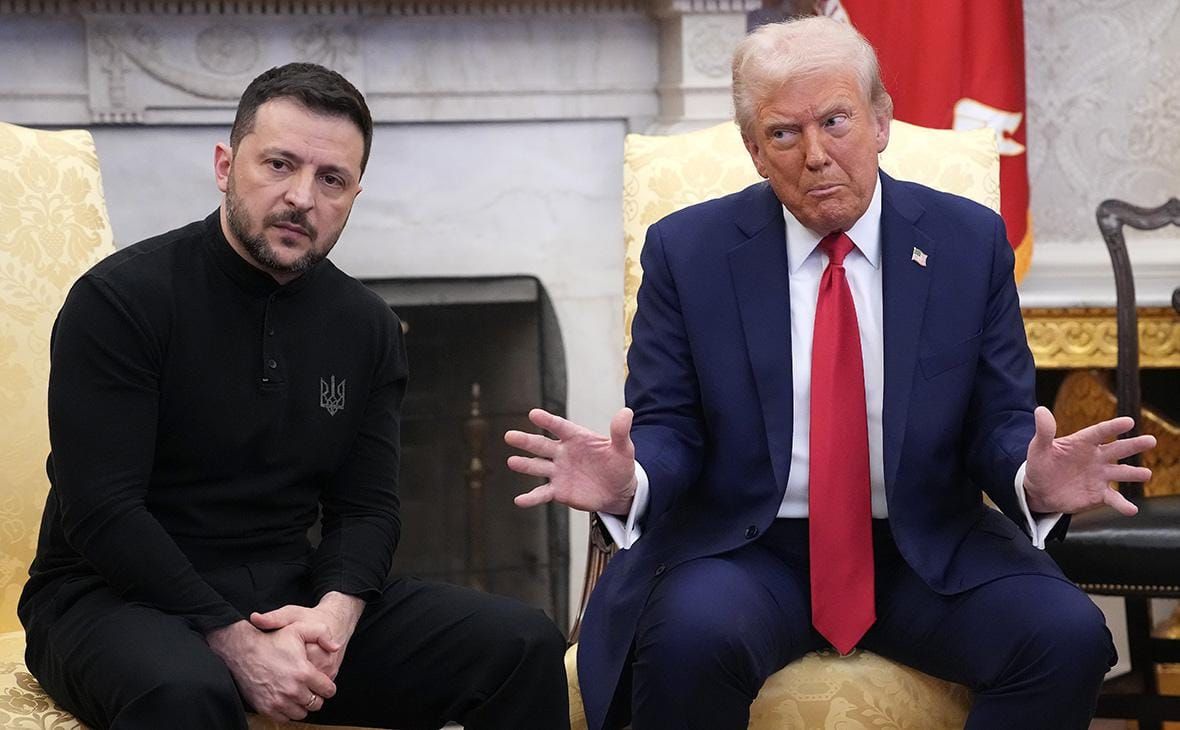
A war now has a date. Speaking to reporters this weekend, in remarks the Associated Press held under embargo until Saturday morning, Volodymyr Zelensky disclosed that the United States has handed Kyiv and Moscow a June deadline to reach a deal and end the fighting. Should the date pass, he added, the Trump administration is likely to lean on both sides to produce one. After nearly four years, the largest land war in Europe since 1945 has been given a deadline, as though it were a quarterly target and not a question of who holds which ruins.
The trouble is what that date runs into. The last round of American-brokered talks, in Abu Dhabi last month, produced nothing, foundering on demands the two sides regard as mutually exclusive. Moscow still insists that Kyiv surrender the Donbas, the eastern region where the heaviest fighting grinds on, and Kyiv still refuses. Pressed on it, Zelensky offered four words that double as a policy: we stand where we stand. No month circled on a calendar bridges that.
A deadline is only leverage if someone will enforce it, and enforcement is where the scheme turns uncomfortable. The two parties are not equally squeezable. Russia can absorb pressure, outlast a news cycle, and trade on Western fatigue; Ukraine depends on the air-defence interceptors and the political patience of the very government now setting the clock. So when Washington warns, as Zelensky reports it does, that it will press both sides, the honest question is which side feels the press. A summer timetable built to suit an American calendar risks landing hardest on the party with the least room to say no, and that is not the one that began the war.
Money is doing quiet work behind the talking. Zelensky let slip that Moscow had set a twelve-trillion-dollar economic proposal before the Americans, a figure so vast it works less as a plan than as a lure, known in Kyiv as the Dmitriev package after the Russian envoy who carries it. This is peace recast as a transaction, sanctions relief and investment dangled as the reward for a settlement whose actual terms remain unbridgeable. The same shadow falls on the Russian-held Zaporizhzhia nuclear plant, over which, by Zelensky's account, no common ground was found at all, a reminder that the war's most dangerous loose end still has no custodian.
And while the diplomats talk, the grid burns. Across this winter Russia has battered Ukraine's power stations and pipelines, by Kyiv's count more than two hundred times since January, forcing reactors to cut output and pushing rolling blackouts into every region. Ukrainian officials call it weaponising winter, and the phrase is not decorative. Washington has floated an energy ceasefire before; when Moscow agreed to a one-week pause last year, it was violated after four days. A government that bombs the very thing it has just consented to spare is not negotiating in the ordinary sense of the word.
Note, too, who is not in the room. President Trump has said he will not sit down with either Zelensky or Putin until a deal is all but finished, preferring to arrive for the signature rather than the quarrel. Set beside the June date, the posture is telling. The deadline reads less as pressure on Russia than as a signal that the United States would like this file closed, and soon. That is an understandable wish. It is not the same thing as a strategy.
Deadlines have been imposed on this war before, and the war has outlived each of them. It will end when one side can no longer fight or no longer wishes to, and neither condition arrives with the summer. The hazard in a date is that it manufactures the look of progress while the substance stalls, and that, when June comes and the demands are still irreconcilable, the pressure to show a result will fall on Kyiv rather than the Kremlin. A peace worth the name cannot be scheduled. It has to be built, and the only thing the parties have so far agreed on is the deadline by which they will have failed to build it.